

Integrated strength and signal
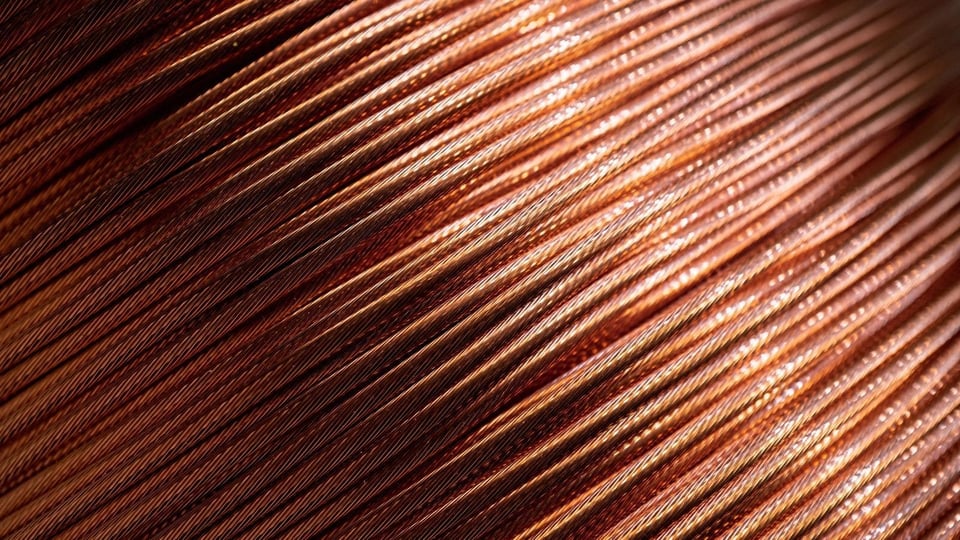
Constructions can combine load-bearing elements with conductors and, where needed, optical fibers to support power, signal transmission, data, and mechanical performance.
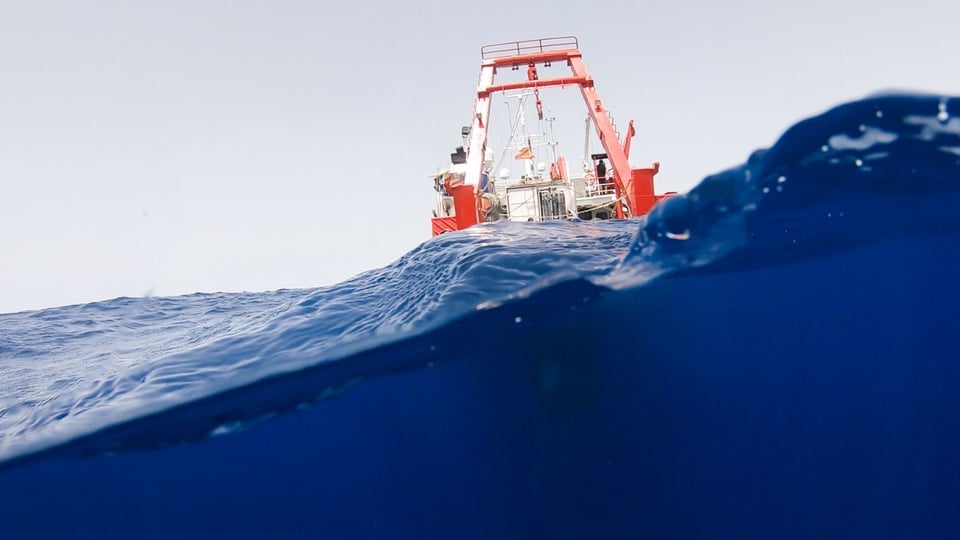
Rochester Cable designs and manufactures electro-mechanical cables that combine power, signal transmission, and mechanical strength in a single cable construction. These cables are built for systems that tow, lift, deploy, or retrieve equipment in harsh subsea, offshore, oceanographic, and industrial environments.
Our electro-mechanical cable designs can be configured around the application, handling system, load requirements, signal needs, and operating environment.
Electro-mechanical cables must perform across both mechanical and electrical demands. In deployed systems, the cable may experience repeated load cycles, bending, towing forces, vessel motion, immersion, pressure, abrasion, and changing environmental conditions.
Constructions can combine load-bearing elements with conductors and, where needed, optical fibers to support power, signal transmission, data, and mechanical performance.
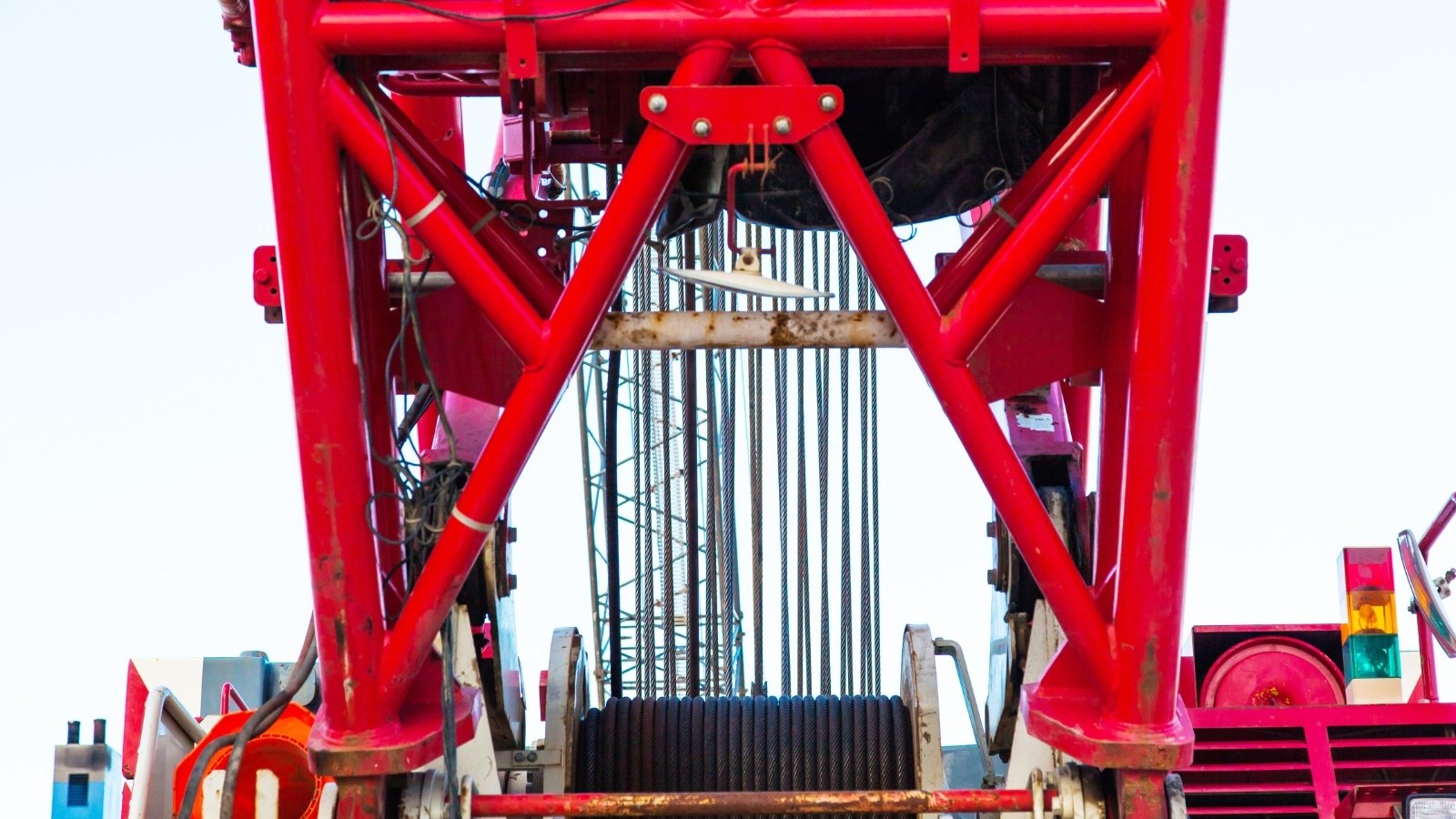
Cables are engineered around towing forces, deployment and recovery cycles, equipment weight, and the demands of operating from vessels, winches, or handling systems.
Cable design may need to account for drum winding, sheave diameters, bend radius, termination requirements, and repeated handling during normal operation.
Material and construction choices can be reviewed for environments where pressure, immersion, temperature, abrasion, and corrosion may affect long-term performance.
Rochester Cable engineers electro-mechanical cable solutions for a variety of deployed systems. The examples below represent common cable types and applications used across oceanographic, subsea, offshore, and industrial environments.
.png?width=800&name=CTD_Crane%20offshore%20platform%20(4).png)
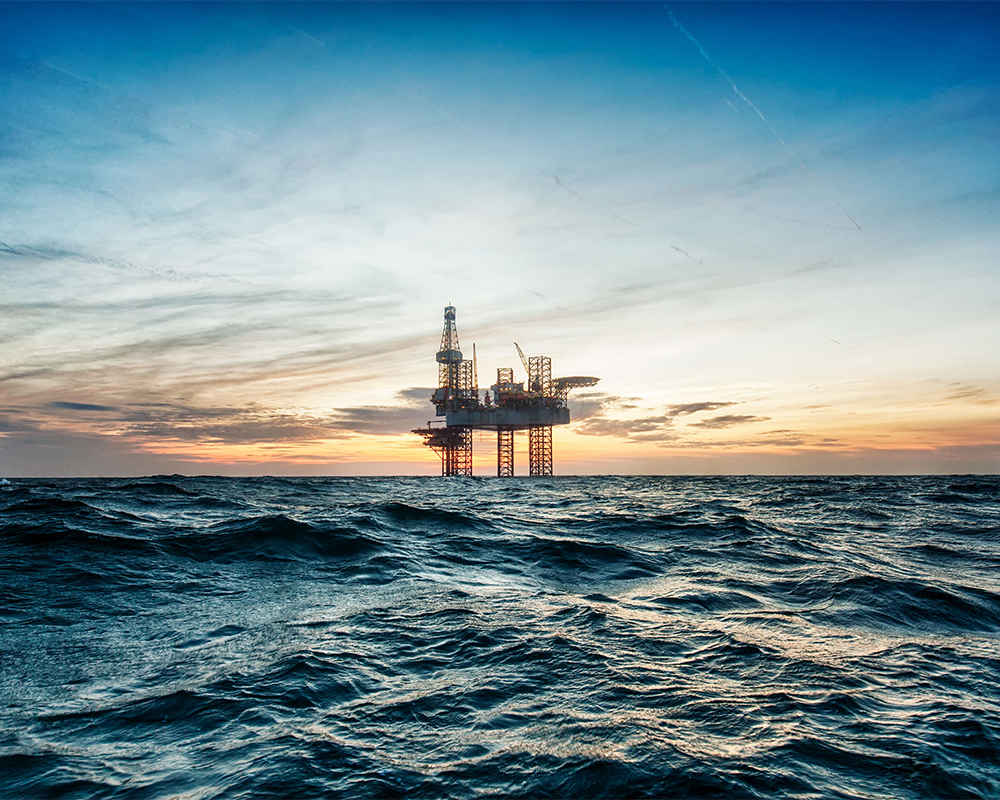
Cable solutions used to deploy CTD (conductivity, temperature, and depth) instrumentation and other oceanographic sensing systems while supporting mechanical loads and transmitting power or sensor data.
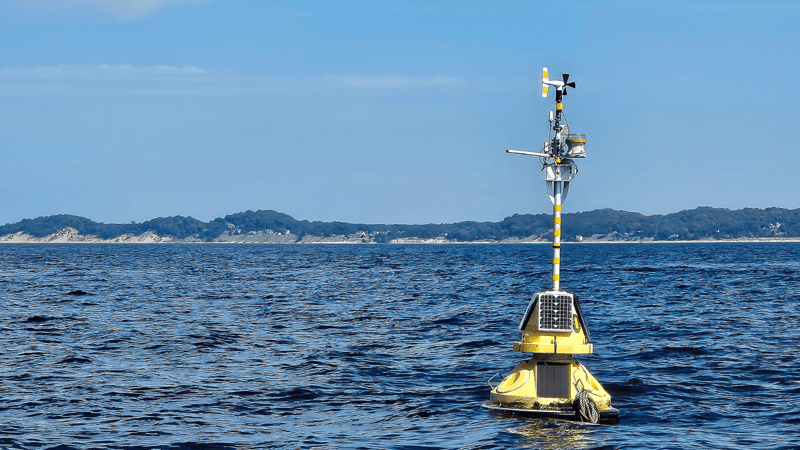
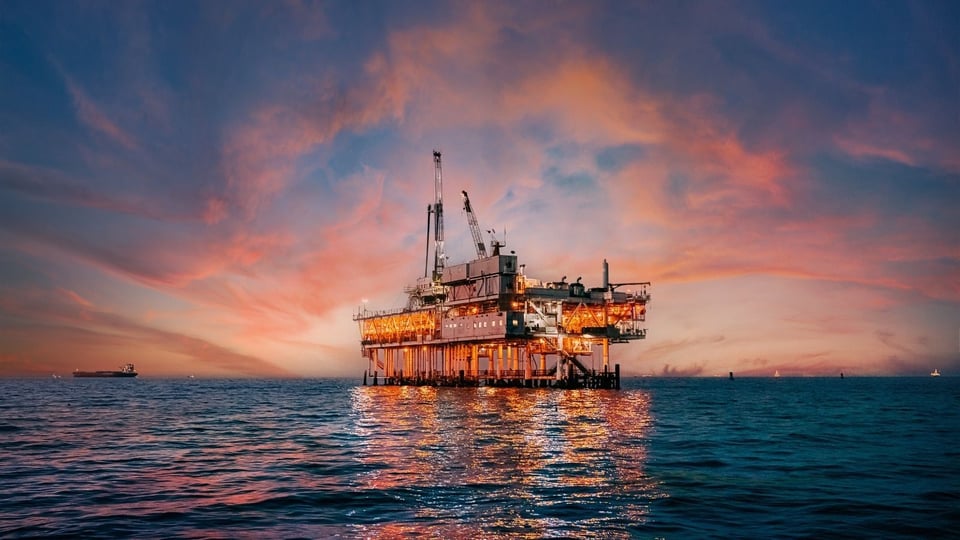
Multiconductor cable constructions configured for underwater instrumentation, monitoring equipment, and deployed sensor systems that require multiple power, control, or signal paths within one load-bearing cable.
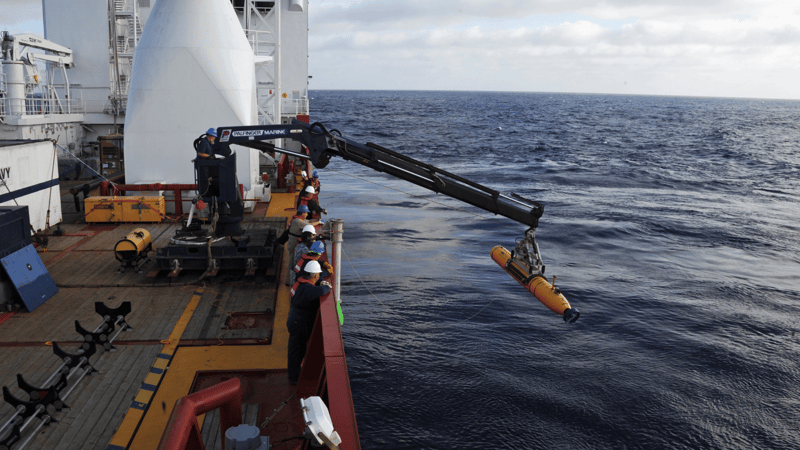
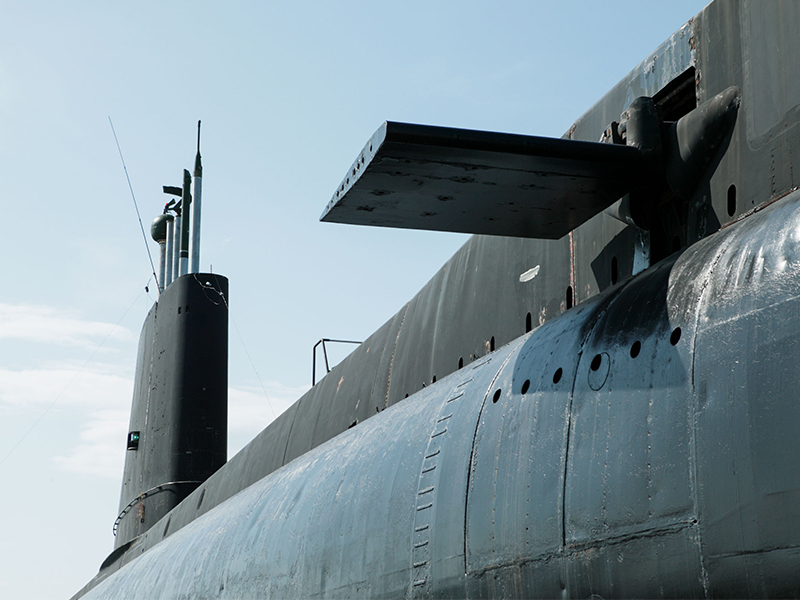
Cables designed to support towing loads while transmitting power, control, and sonar data between a deployed towfish or sensing device and the surface system. Construction may vary based on depth, load, signal, and handling requirements.
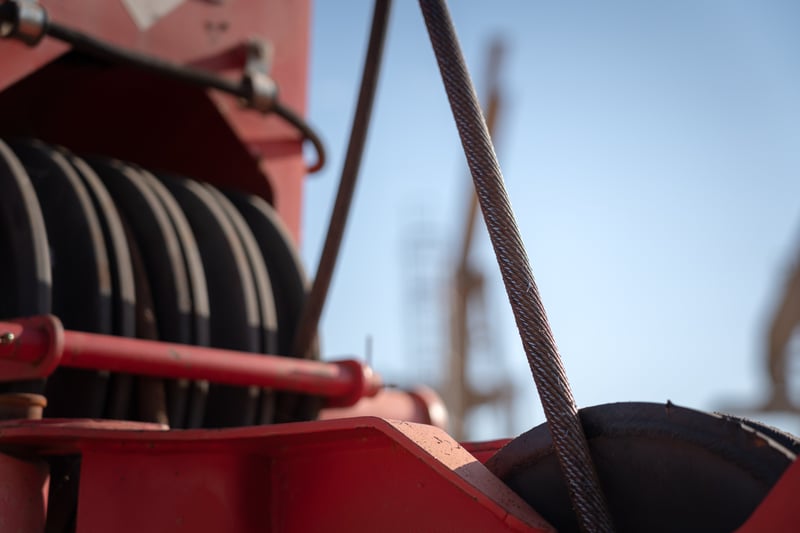
Coaxial cable constructions reinforced with armor or strength members for applications requiring signal transmission, mechanical durability, and reliable performance during towing, deployment, or repeated handling.
.png?width=800&name=Tether_Remotely%20operated%20underwater%20vehicle%20(ROV).png)
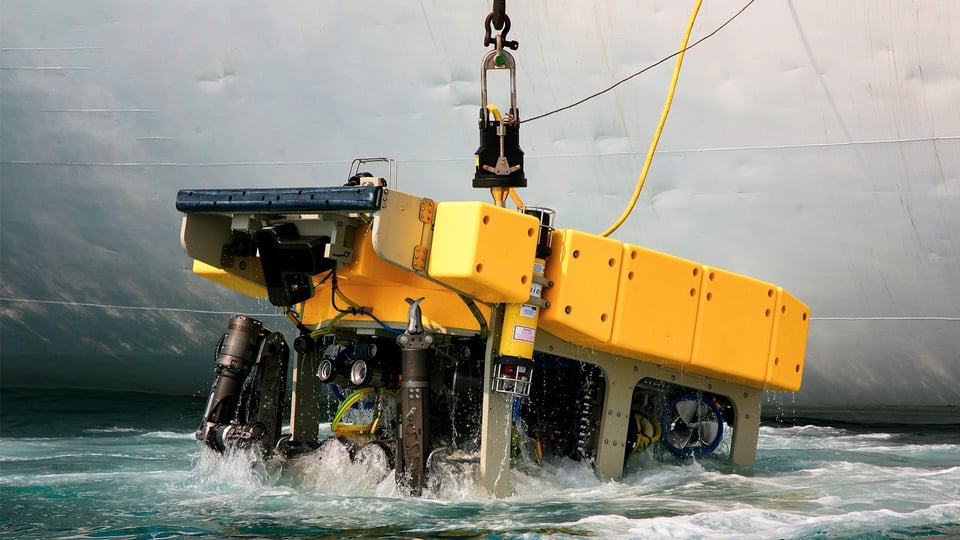
Integrated cable solutions that can combine power, control, signal, data, and mechanical strength for ROVs, underwater equipment, and other tethered or deployed systems.
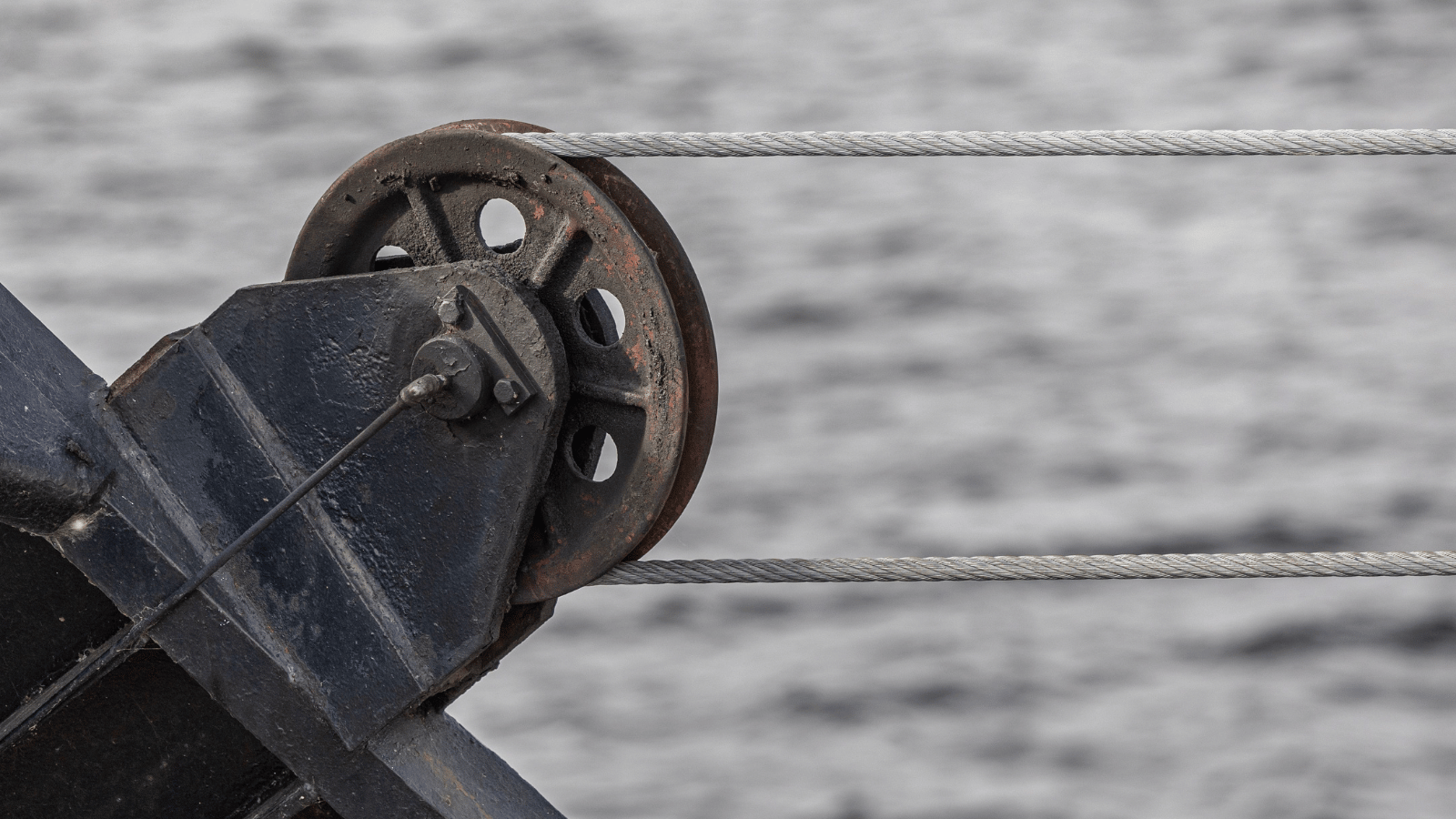
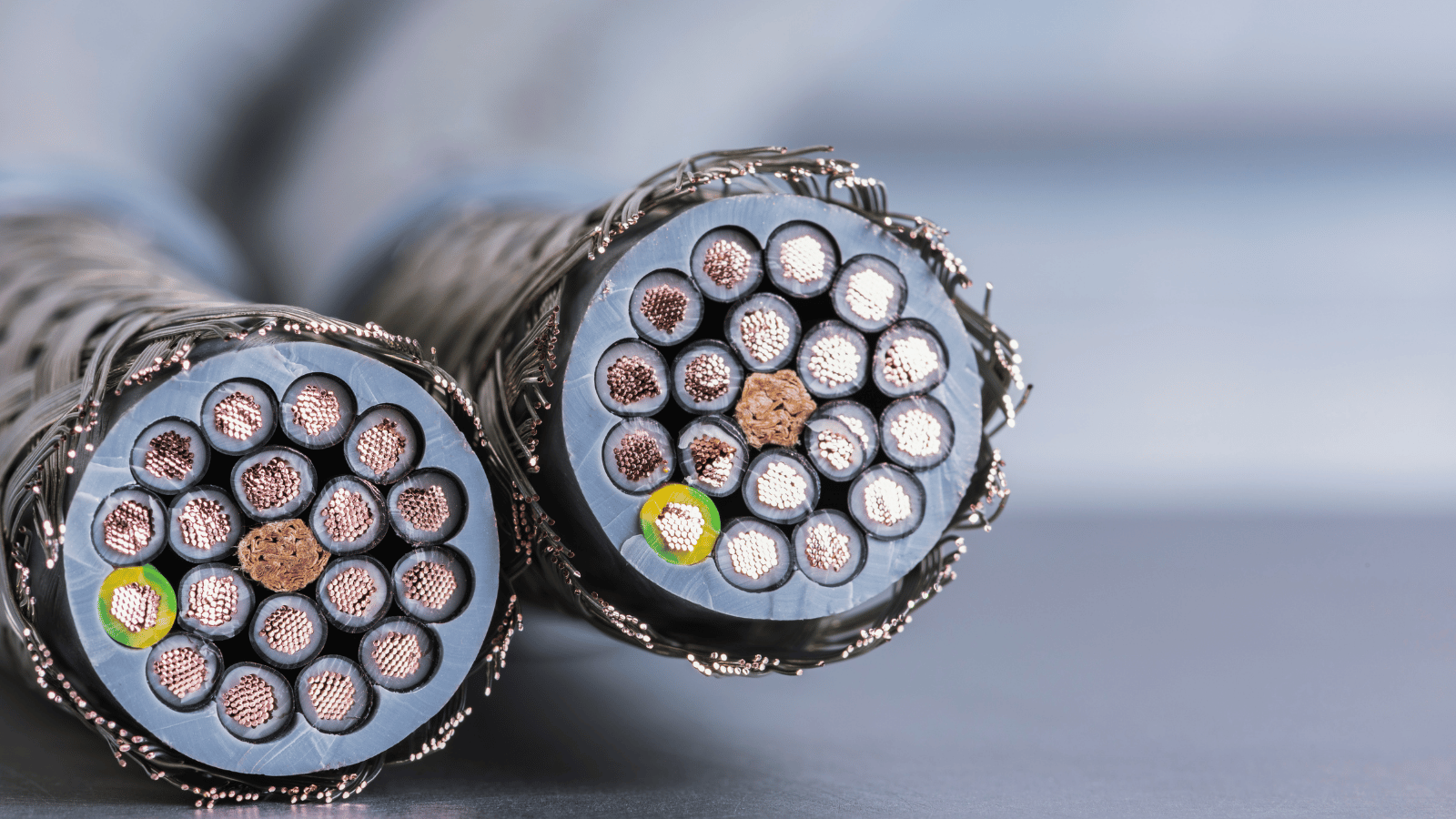
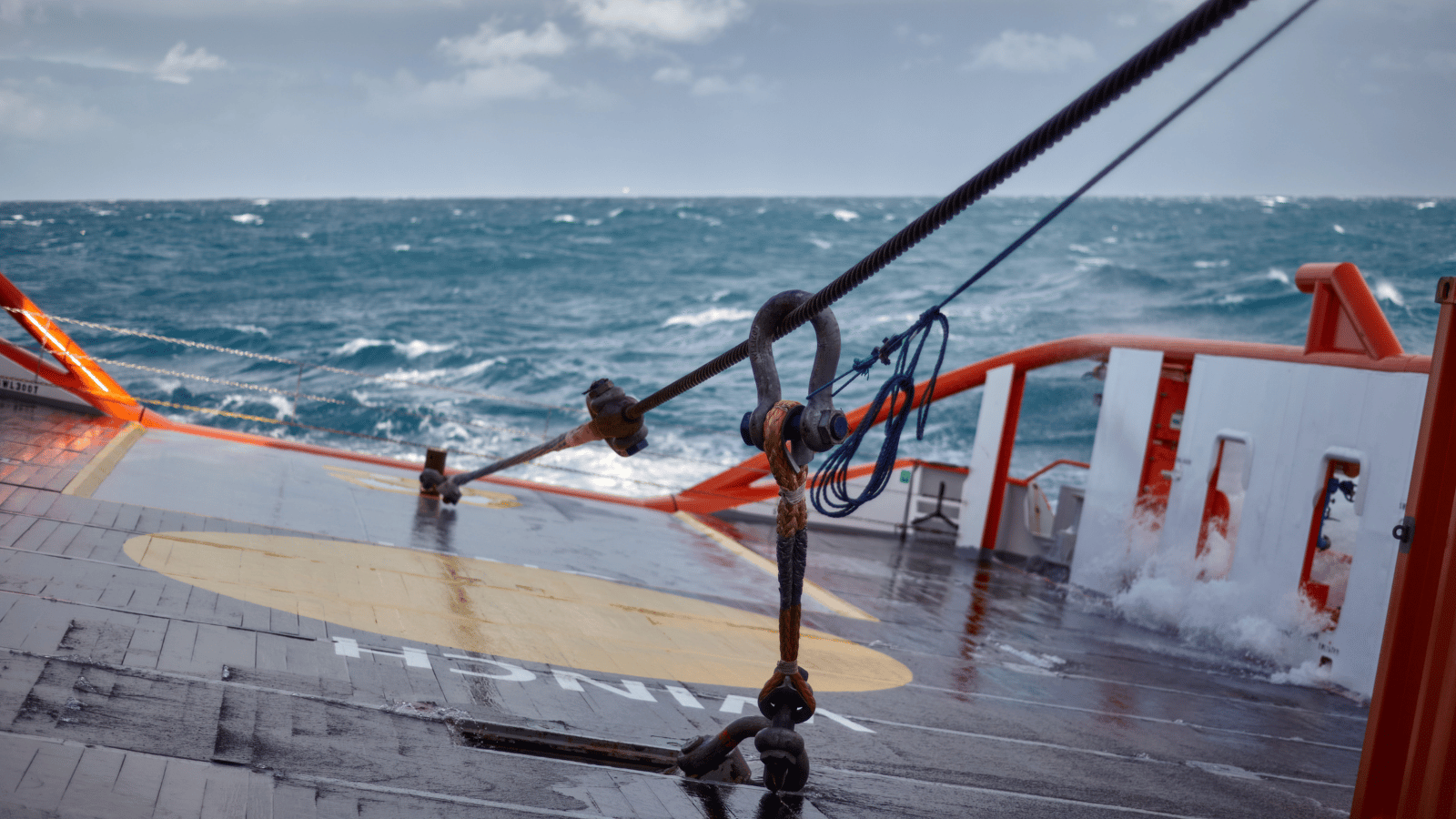
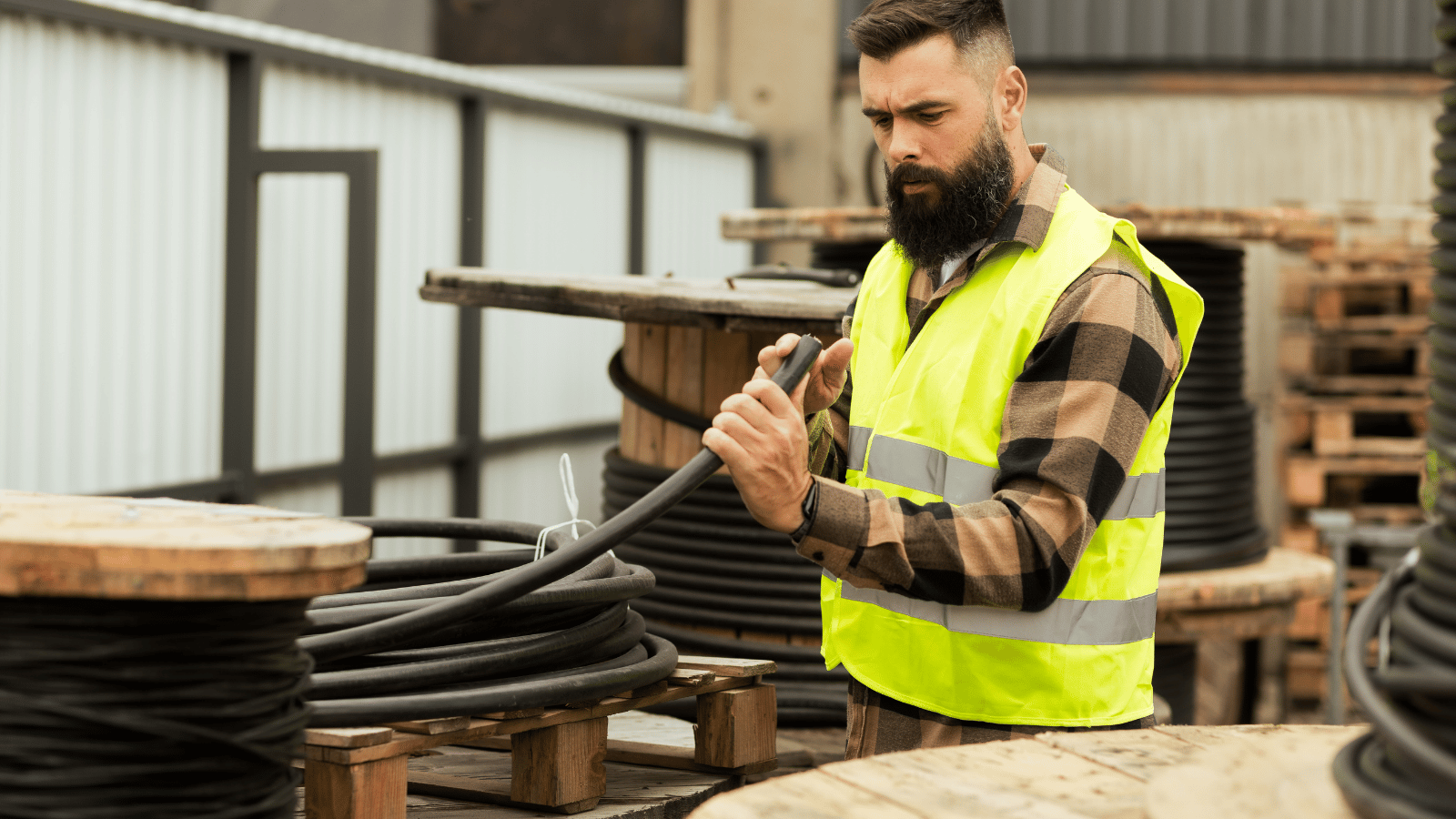
An electro-mechanical cable combines electrical performance and mechanical load-bearing capability in one cable construction. It may carry power, signal, control, data, or optical elements while also supporting the load of towed, lifted, deployed, or retrieved equipment.
Electro-mechanical cables should be considered when the cable must carry power or signals while also supporting mechanical loads, operating over winches or sheaves, or performing in subsea, offshore, oceanographic, or other harsh environments.
Many electro-mechanical cables are engineered around the application. Rochester Cable can review your system requirements and recommend a construction that aligns with mechanical, electrical, environmental, and handling needs.
Whether you are developing a new deployed system, upgrading an existing cable, or replacing a legacy cable, Rochester Cable can help evaluate the application and recommend a suitable cable construction.