  • There are no suggestions because the search field is empty.
Home / Applications / Ocean Research and Survey
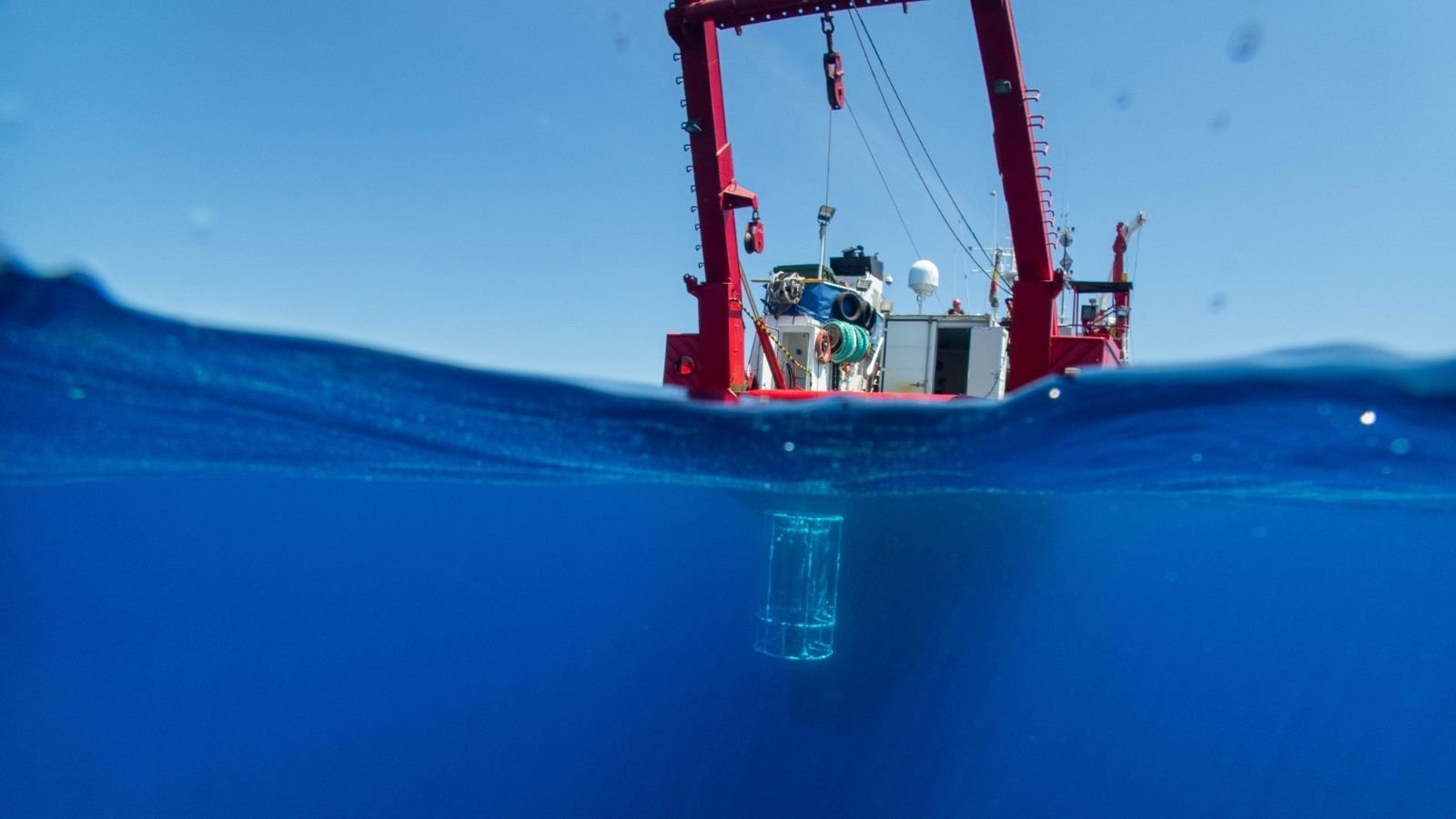
A red research vessel on the ocean with a calm sea. Beneath the surface, a transparent container is partially submerged, indicating marine exploration.

Ocean Research and Survey

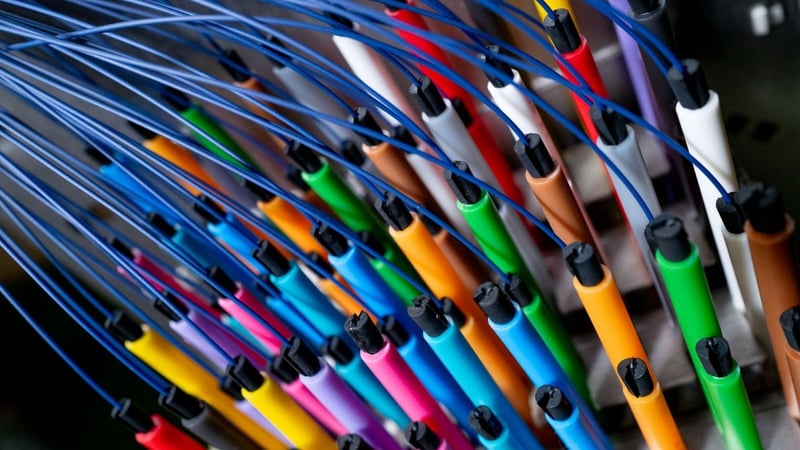
Cables designed to deliver reliable power and data in demanding marine environments.

Where data quality depends on the cable

Oceanographic platforms work in an environment that combines pressure, motion, and long-term exposure to seawater. Cables may be laid on the seafloor, suspended in the water column, or towed behind a vessel for extended periods. They must endure tension, drag, and repeated handling while preserving signal quality for sensitive instruments and sonar systems. A failure offshore interrupts campaigns, delays projects, and increases mission cost.

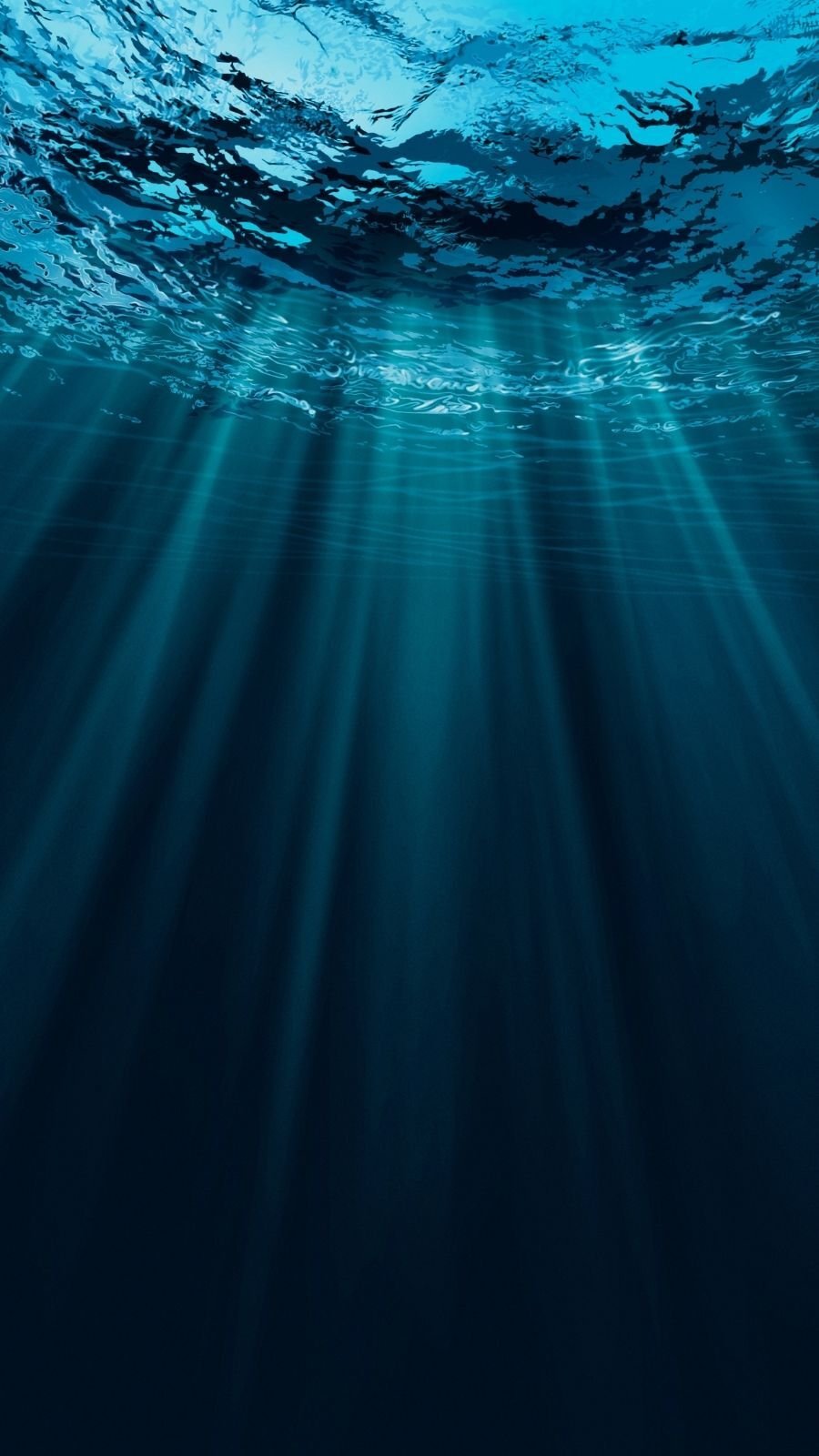
Sunlight filters through the blue ocean surface, creating ethereal beams that illuminate the deep, dark water below.

How we engineer cables for ocean research and survey

Rochester Cable has supported oceanographic institutions and research programs for decades. Our cables are designed to carry power, control, and high-bandwidth data to instruments, vehicles, and observatories throughout the water column. We focus on mechanical reliability, signal integrity, and long-term performance in marine environments.

Key design priorities

Mechanical stability and fatigue performance
Armored and strength-member designs that handle tow loads, deployment cycles, and tension from currents and vessel motion.

High-capacity data transmission
Fiber-optic and electrical constructions that support large data sets from sonar, sensors, and observatories with stable performance over long distances.

Environmental resilience
Jackets and materials selected for resistance to seawater, abrasion, and long-term immersion or cyclic deployment.

Application-specific configurations
Conductor, fiber, and armor combinations tailored to the needs of observatories, towed systems, and mobile platforms.

Ocean research applications we support

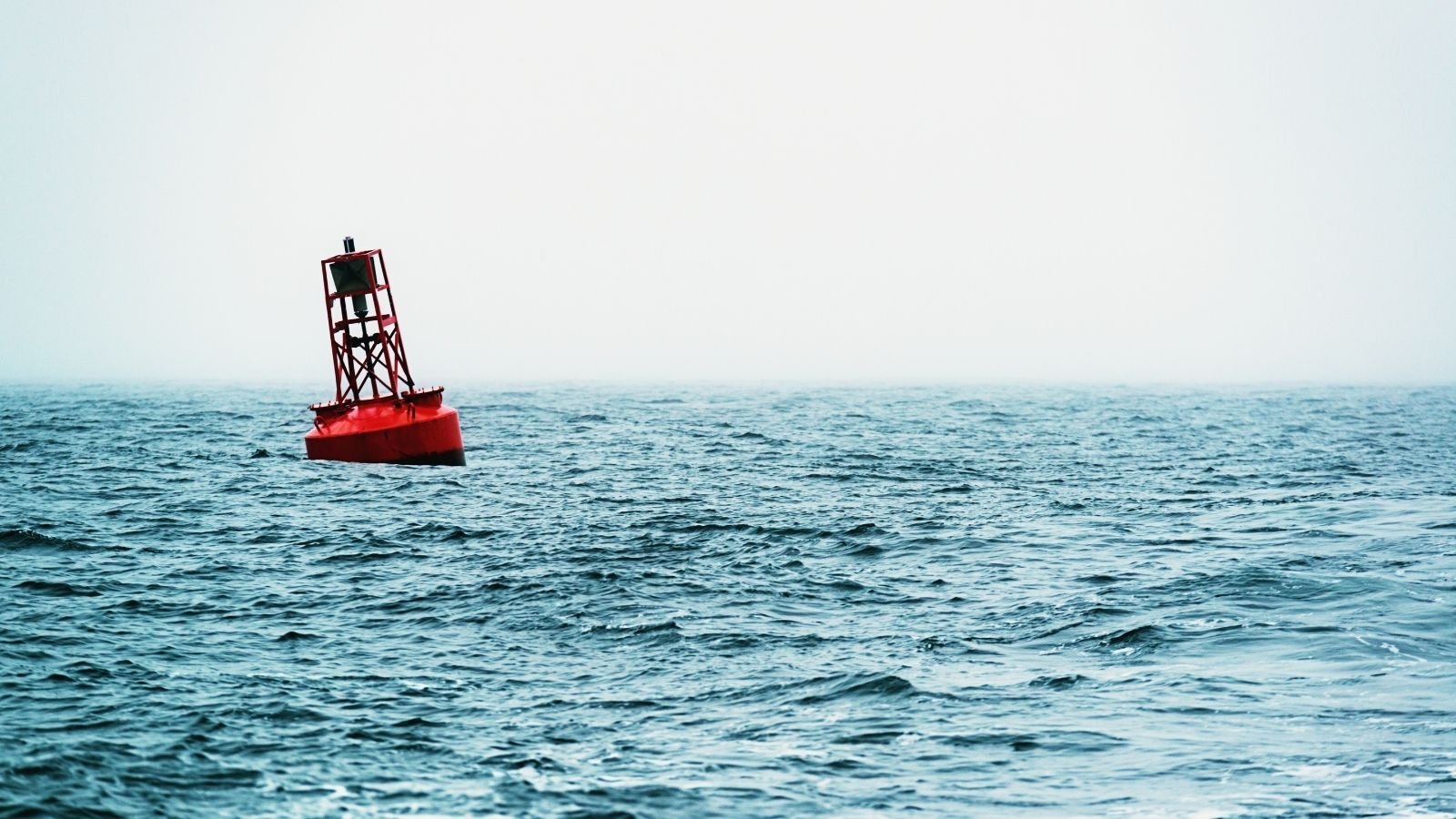
A solitary red buoy gently tilts amidst vast, choppy ocean waves under a light gray sky.

Oceanographic Observation Systems

Ocean observatories and moored systems collect long-term data on temperature, currents, chemistry, and acoustic conditions. Their cables must carry power and data to instruments while surviving years of exposure and mechanical loading from waves and currents.

What our cables deliver for observation systems:

  • Constructions suited for moorings, seafloor observatories, and distributed sensor strings
  • Fiber and conductor layouts sized for multiple instruments along a single line
  • Jackets and armors selected for long-term deployment and resistance to marine growth and abrasion
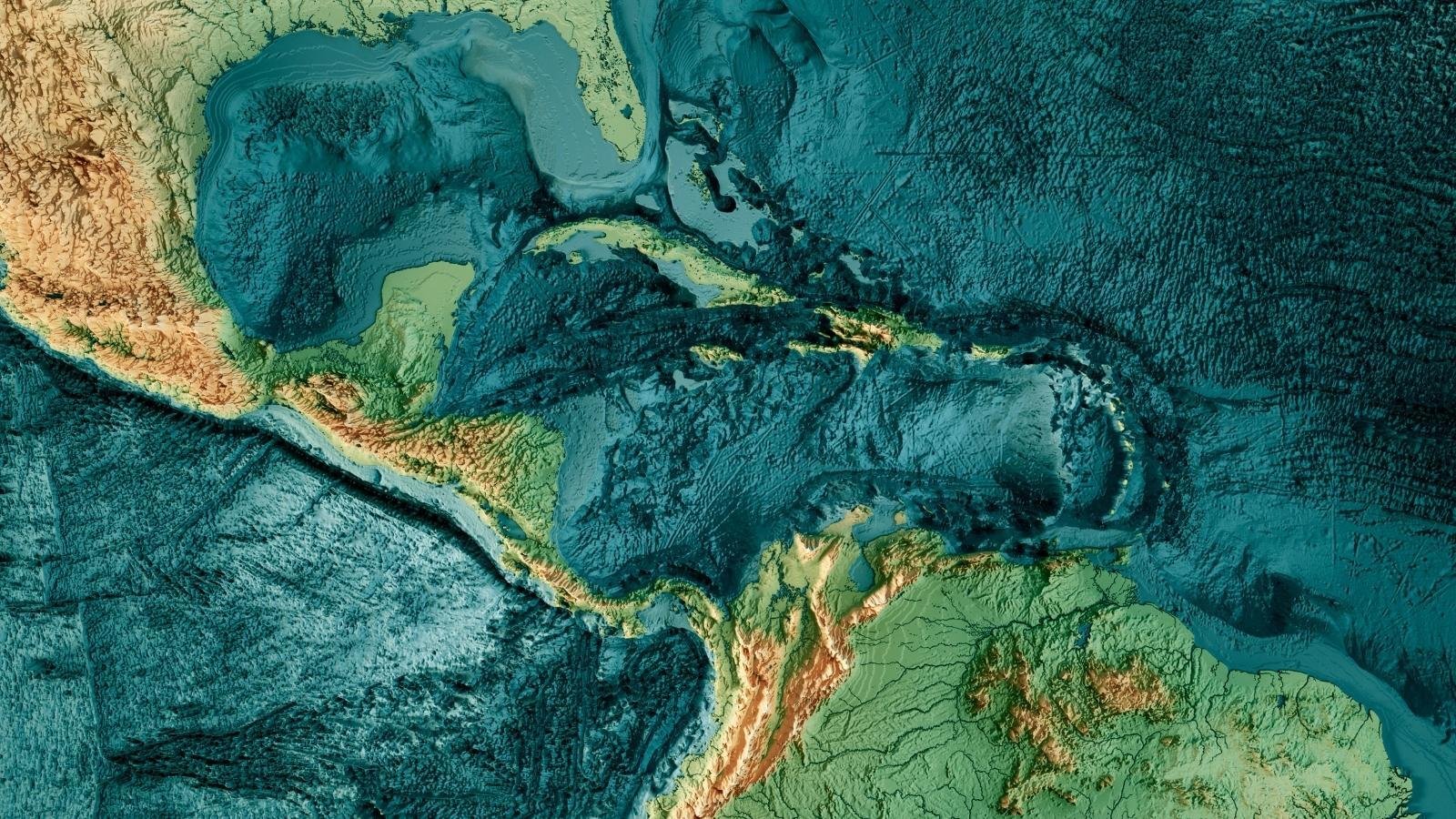
Topographic map of Central America and the Caribbean, showing ocean depths and land elevations. The tones range from deep blues to warm browns, highlighting terrain contrast.

Seafloor Mapping and Sonar Systems

Seafloor mapping and sonar systems use high-resolution acoustic data to chart seafloor features. Cables in these systems connect hull-mounted arrays, over-the-side systems, or towed sonar bodies to onboard electronics.

What our cables deliver for mapping and sonar:

  • Signal-optimized designs that support stable sonar and imaging data return
  • Armored tow or handling cables for over-the-side and towed configurations
  • Flexible routing options for hull-mounted or portable sonar systems onboard vessels
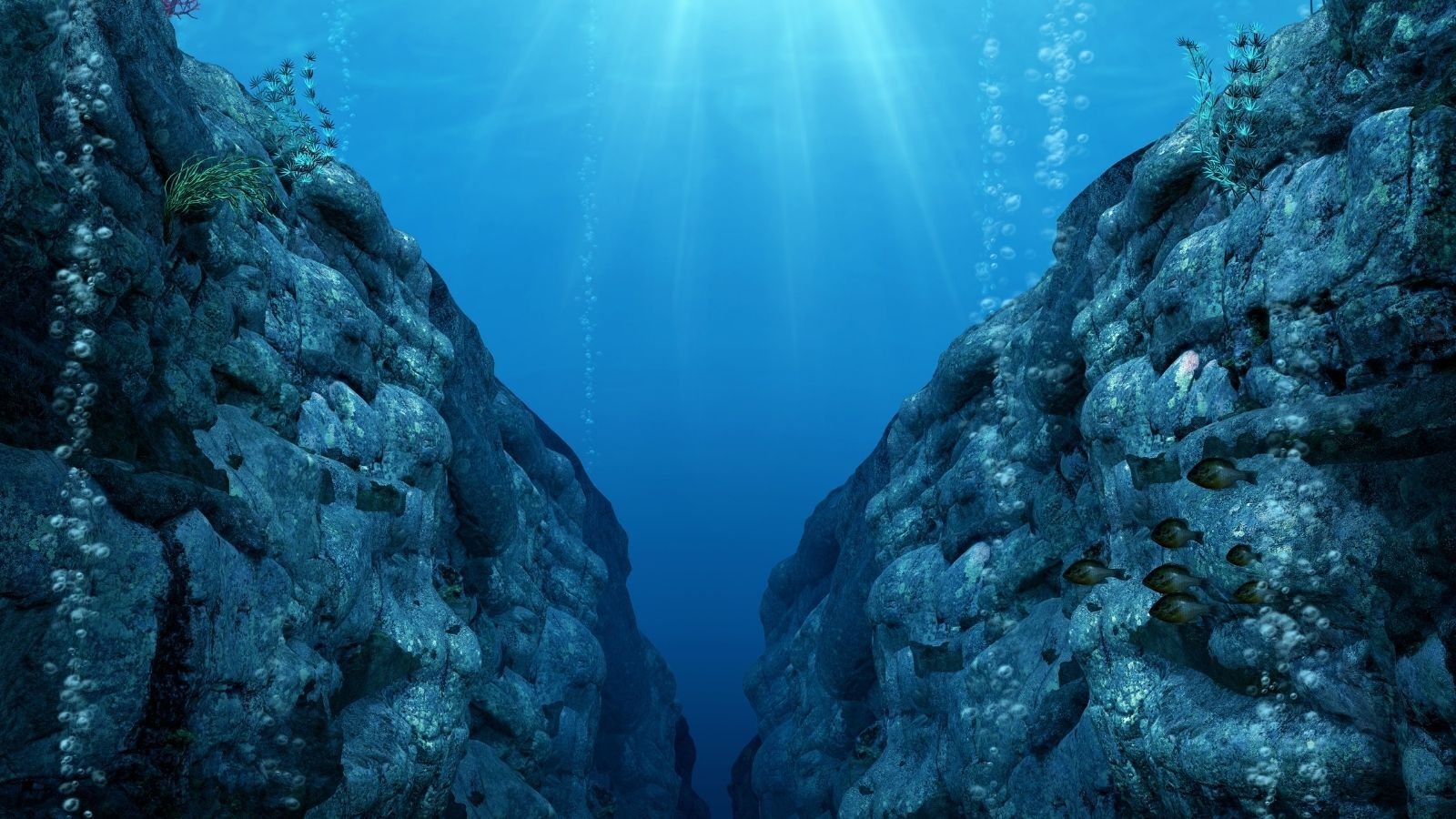
Underwater scene of a deep, rocky trench with rays of light shining through the blue water. Small fish swim near rocks decorated with sparse seaweed.

Underwater Geological and Seismic Research

Geological and seismic research uses sensors and arrays to study the seafloor, crustal movement, and subsurface structure. Cables must support accurate timing, low-noise data collection, and sometimes extended bottom time.


What our cables deliver for geological and seismic work:

  • Fiber and electrical designs tailored for seismic and geophysical sensor networks
  • Armoring and strength members suited for deployment along the seafloor or in arrays
  • Constructions that support synchronized, low-noise data return to surface recording systems
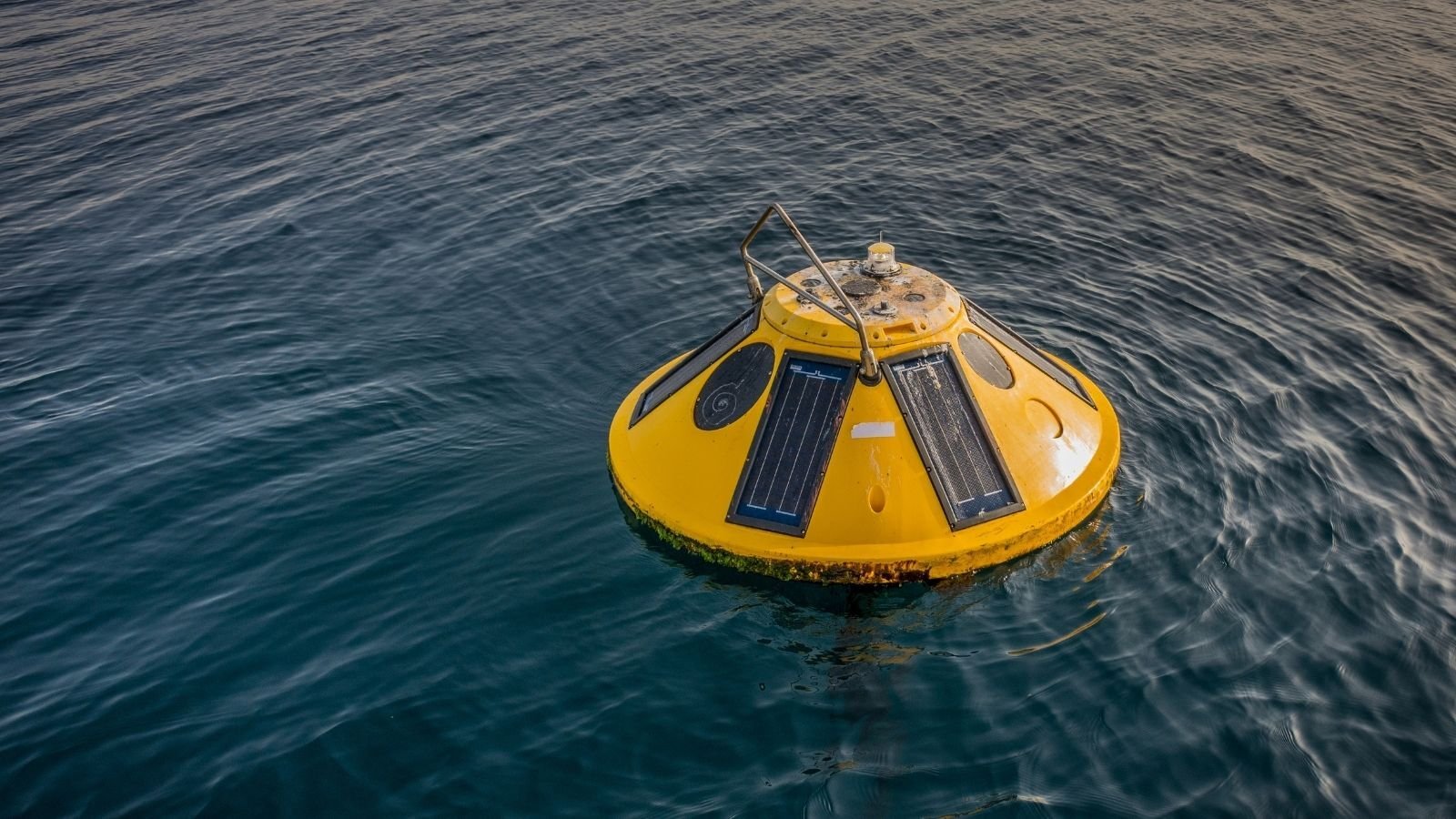
A yellow buoy with solar panels floats on calm blue water, creating a serene and peaceful atmosphere. The sunlight reflects gently off the water's surface.

Environmental Monitoring Networks

Environmental monitoring systems track ocean conditions, marine habitats, and changes over time. These networks rely on continuous data from distributed sensors and platforms.

What our cables deliver for monitoring networks:

  • Hybrid power and data paths to support multi-parameter sensors and instruments
  • Configurations for fixed, moored, or cabled monitoring networks
  • Durable materials and jacketing for repeated deployment or long-term stationary service
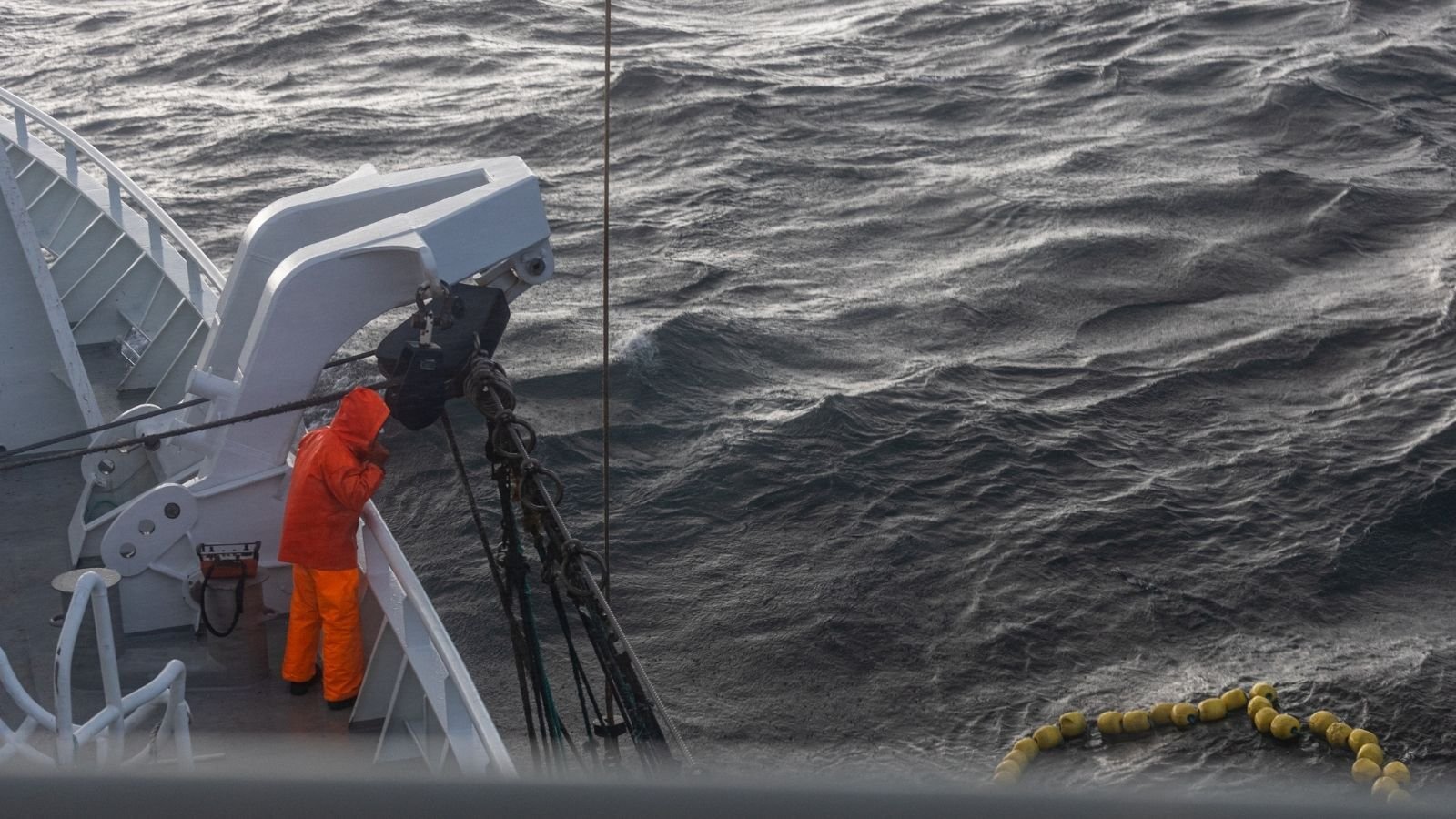
A person in bright orange rain gear stands on a ship's deck, facing choppy, dark ocean waves. A buoy line is visible on the water, creating a tense, isolated mood.

Deep Tow and Towed Array Systems

Deep tow and towed array systems carry sonar, cameras, and sensor payloads behind a vessel at depth. Cables must handle tow tension, hydrodynamic forces, and cable curvature while protecting signal quality.

What our cables deliver for deep tow and towed arrays:

  • Tow cables designed with appropriate strength members and armoring for deep and extended operations
  • Conductor and fiber layouts that support multi-channel sonar, imaging, or sensor payloads
  • Jackets and constructions that manage drag, abrasion, and repeated deployment from winches and sheaves
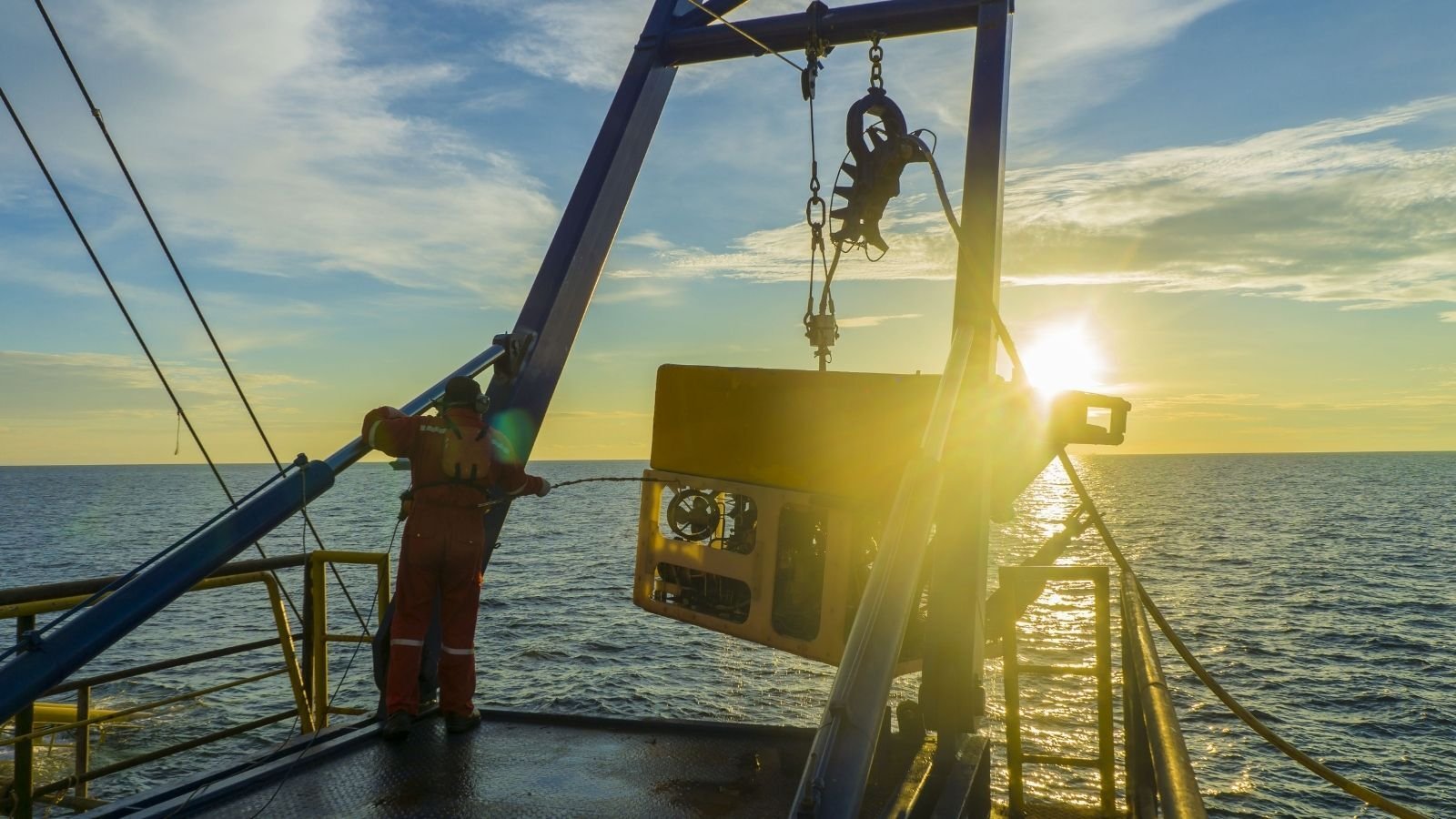
A person in an orange suit stands on a boat, overseeing a crane lowering equipment into the sea. The sun sets on the horizon, casting a warm glow.

Search, Recovery, and Salvage Operations

Search, recovery, and salvage missions use ROVs, towed systems, and specialized tools to locate and retrieve objects on the seafloor. Cables in these systems must support both control and, in some cases, mechanical recovery.

What our cables deliver for search and recovery:

  • Rugged constructions suitable for inspection and location tasks in combination with ROVs or towed bodies
  • Hybrid designs that support power, control, and data or video as needed
  • Experience drawn from both research and defense recovery applications

Related solutions

The same technologies behind our ocean research cables also support other subsea and monitoring systems. These related solutions highlight the product families and applications that share similar requirements.

Discuss your ocean research application

Whether you are planning a new observatory, upgrading a towed system, or integrating instruments on an existing platform, our team can help define a cable design that fits your needs.