  • There are no suggestions because the search field is empty.
Home / Applications / Work Class ROVs
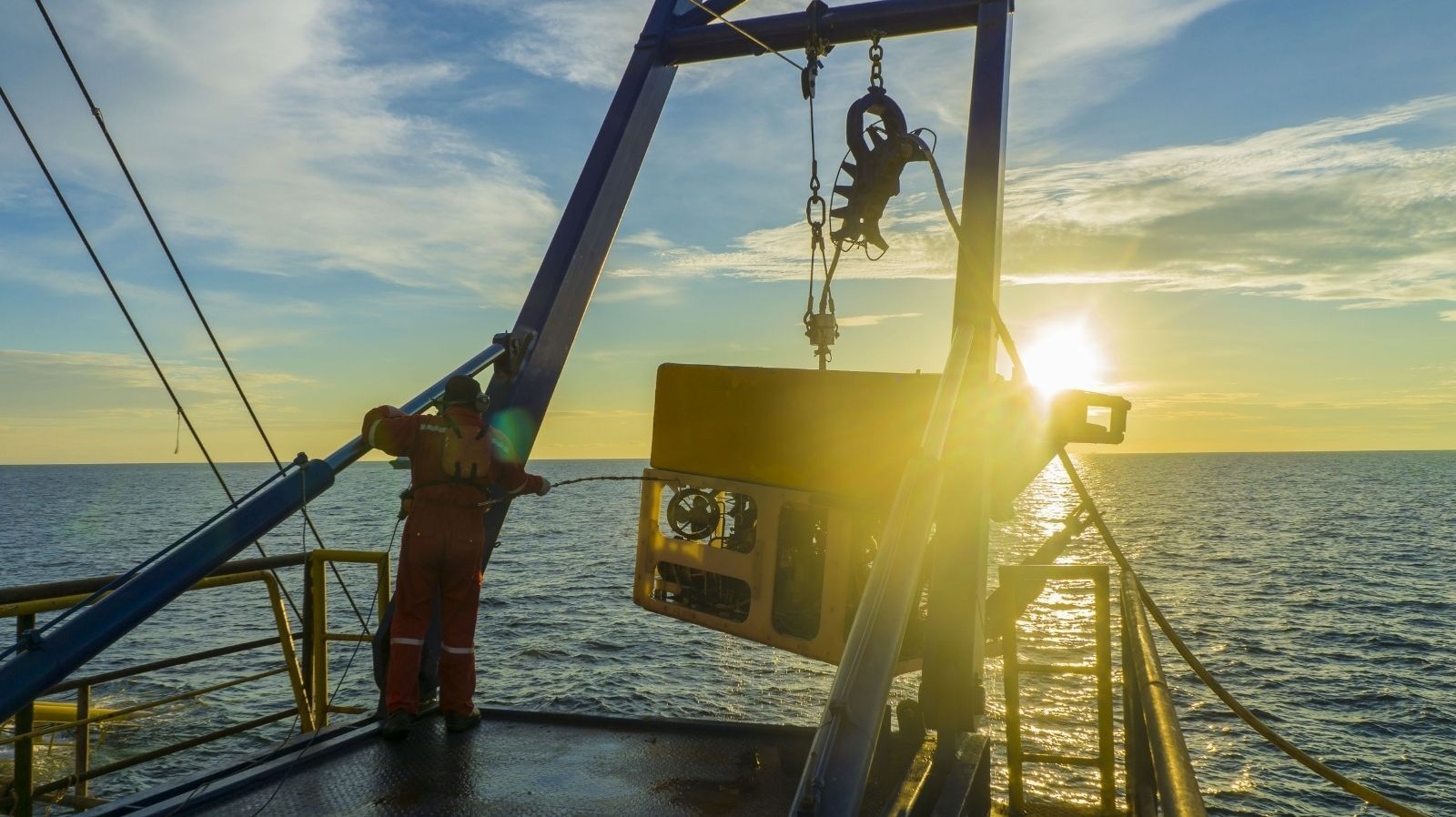
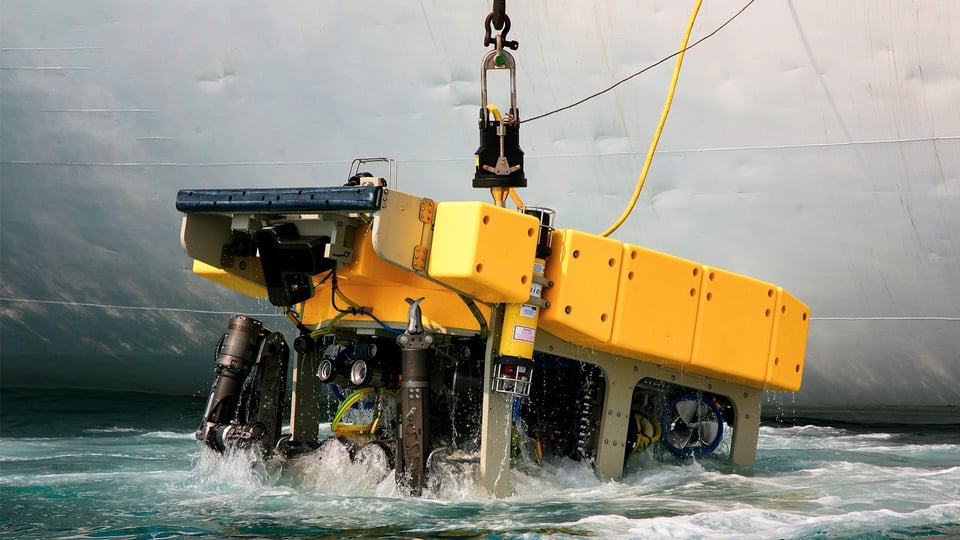
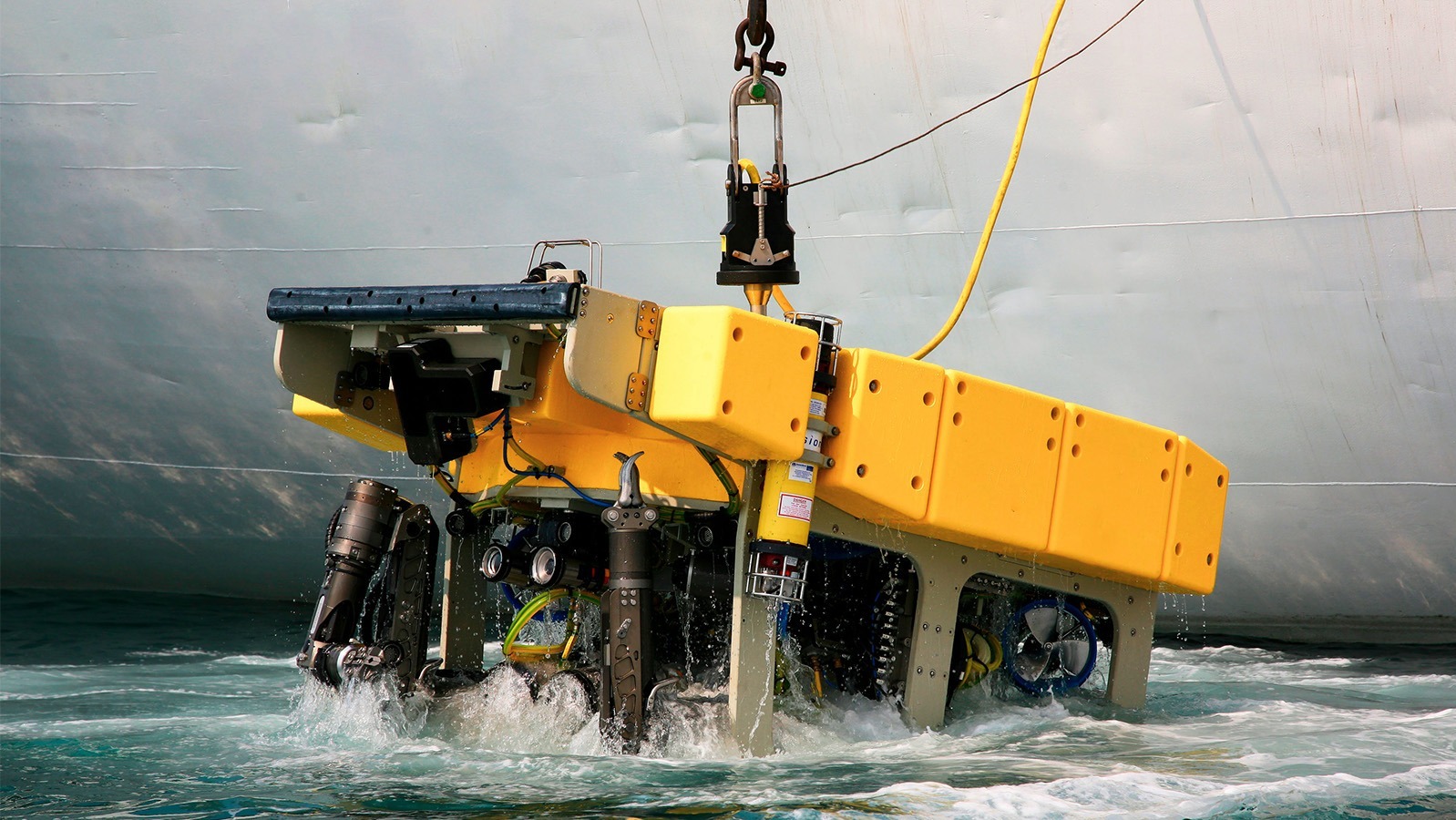
A yellow underwater robotic vehicle is being lowered into the water from a ship. It splashes as it enters, showcasing marine exploration technology.

Work Class ROV

Rugged cable systems engineered for ROV operations and precise subsea control.

When ROV performance depends on the cable

Work Class Remotely Operated Vehicles (WROVs) operate at depth under constant mechanical load. Umbilicals and tethers see tension from vehicle weight and drag, repeated bending over sheaves, and dynamic motion from sea state and vessel movement. At the same time, the cable must deliver high-voltage power, carry command and sensor signals, and support video or fiber-optic data paths in a compact cross section. A cable failure offshore can shut down operations and increase risk and cost for the entire mission.


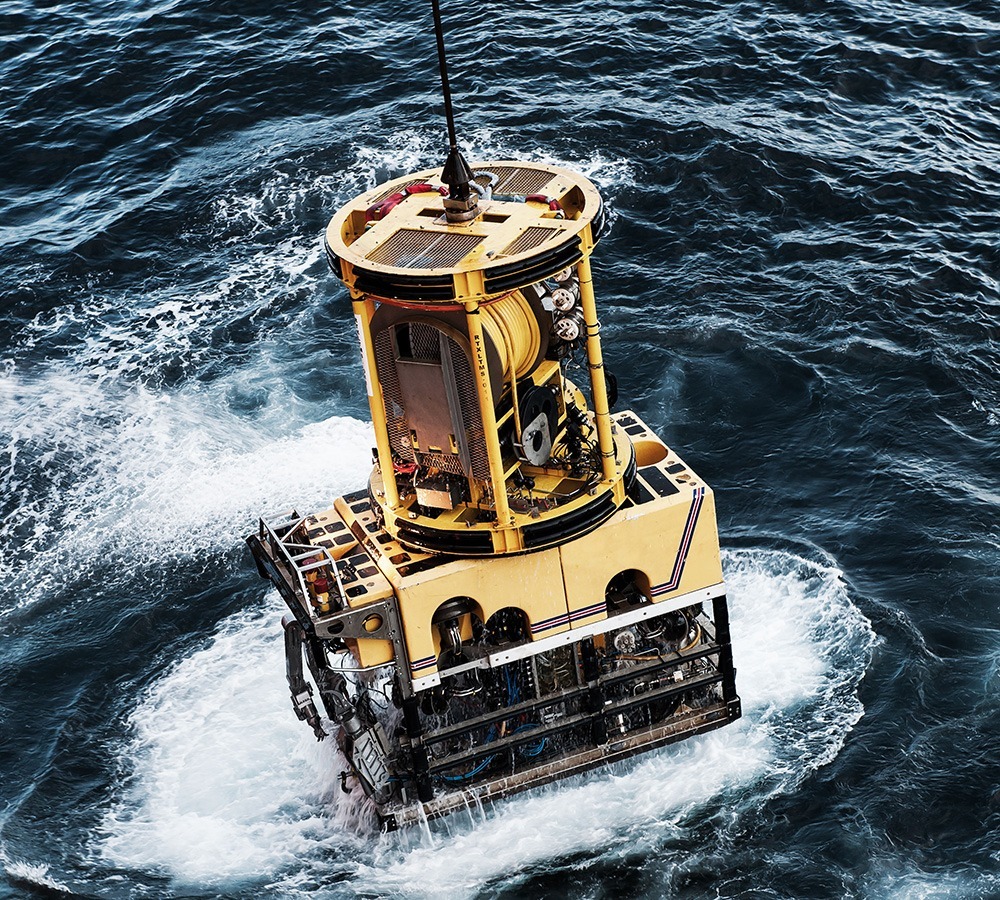
A large, yellow, cylindrical marine structure is partially submerged in the choppy ocean, creating splashes around it. The scene conveys industrial activity.

How we engineer cable systems for ROV operations

Rochester Cable has a long history of designing and manufacturing working cables for ROV operators, system integrators, and vessel owners. Our umbilical, tether, and deck cable designs combine mechanical strength, electrical performance, and fiber-optic capability within constructions sized for real-world handling and deployment.

Key design priorities

Mechanical strength and fatigue life
Armored and torque-balanced constructions to handle tension, bending cycles, and handling loads over sheaves and drums.

Power delivery and thermal performance
High-voltage, high-temperature-rated conductors, including reduced-diameter power conductors with flexible stranding for compact yet robust designs.

Signal and data integrity
Screened instrumentation pairs, twisted pairs, coaxial elements, and optical fibers for control, sensor, and video paths with stable performance over long lengths.

Lightweight technology
Thin-wall 44CD conductors, and synthetic or hybrid armors reduce cable weight while maintaining strength.

ROV applications we support

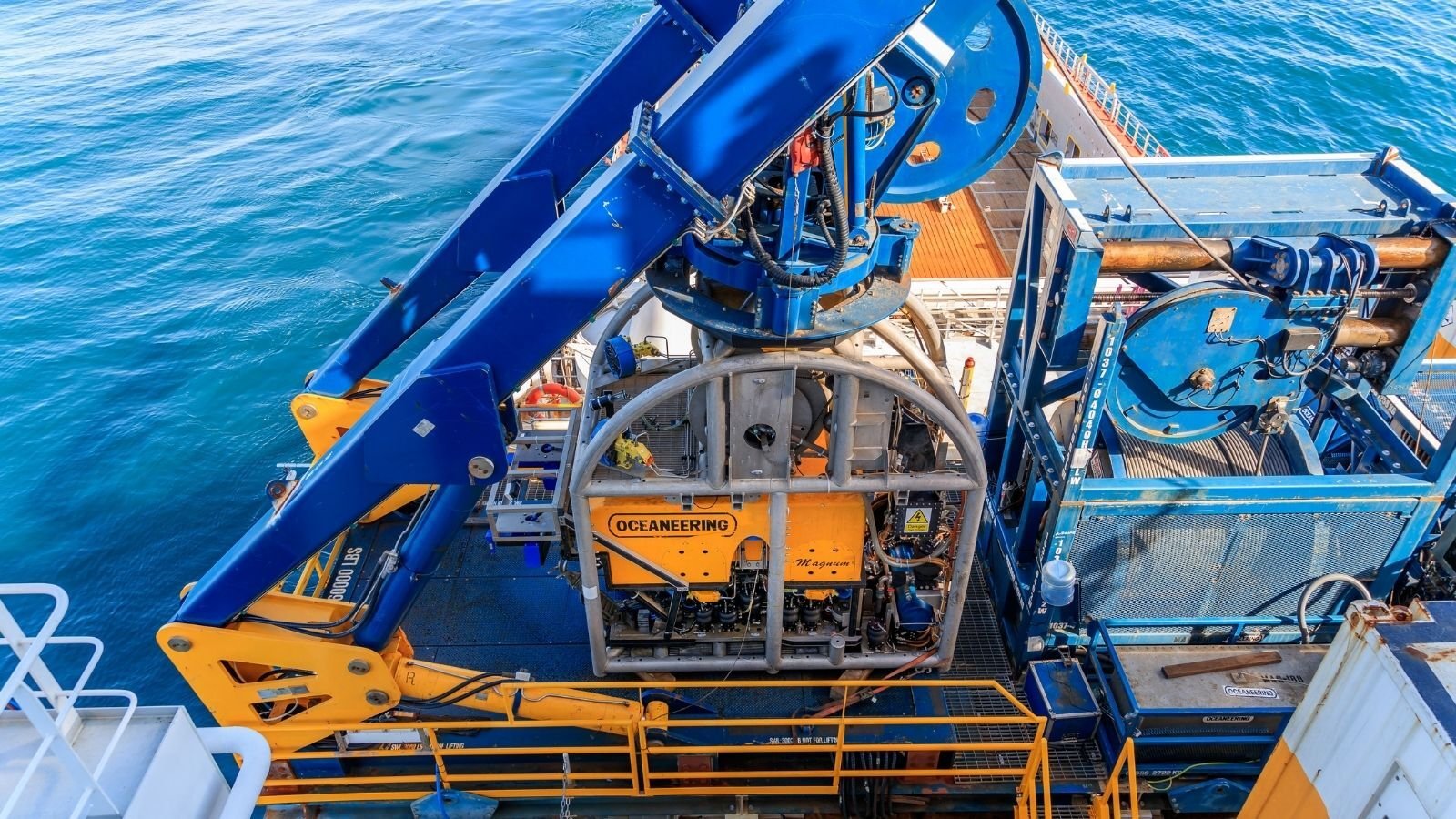
A remotely operated vehicle (ROV) named Oceaneering on a ship's deck is surrounded by blue machinery, with the ocean visibly surrounding the vessel.

Umbilical Systems

Umbilical cables are the primary working line between the ROV system and the surface. They carry power, control, data, and often serve as the mechanical lift line for the vehicle or tether management system.

What our umbilicals deliver:

  • Custom constructions that combine high voltage power, control pairs, and optical fibers in a single cable
  • Options for steel-armored umbilicals, synthetic armored umbilicals, and transition cables within the system
  • Designs that manage tension, bending, and torsion while maintaining electrical and optical performance over long lengths
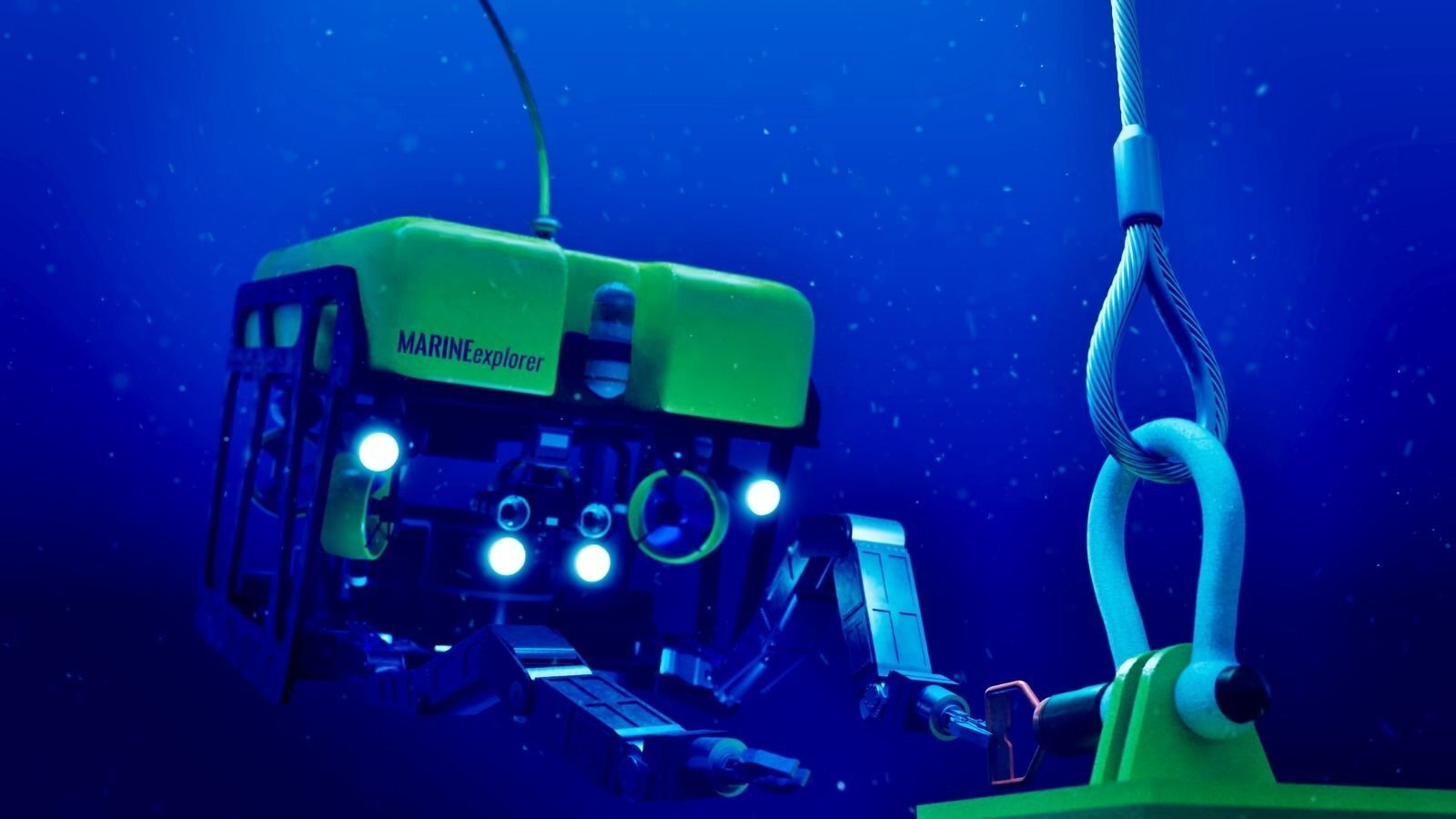
Underwater scene showing a green and black remotely operated vehicle (ROV) with lights, labeled

Tether Systems

Tethers connect the ROV to a tether management system (TMS) or directly to the umbilical. They need to be neutrally buoyant or tailored to the desired in-water behavior while still carrying power and data.

What our tethers deliver:

  • Neutrally buoyant and heavy tether cable designs for different vehicle and TMS configurations
  • Electromechanical constructions that combine power conductors and strength members in a compact profile
  • Cable designs that support dynamic motion and repeated cycles while maintaining reliable communication and control
A large, yellow, cylindrical marine structure is partially submerged in the choppy ocean, creating splashes around it. The scene conveys industrial activity.

Deck and LARS Cables

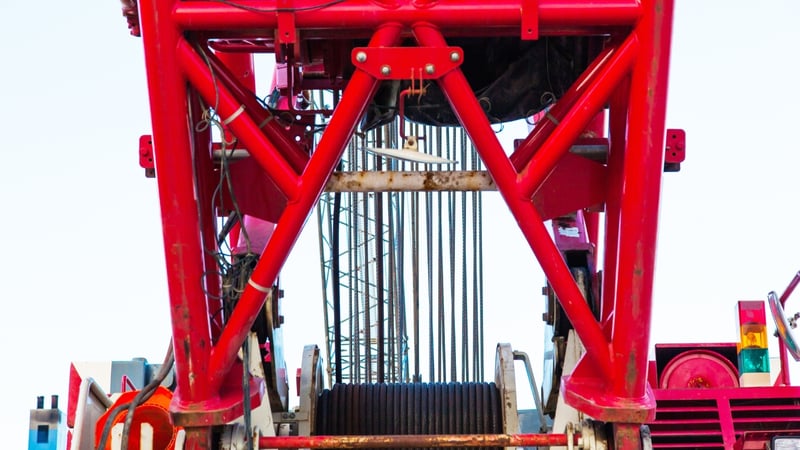
Deck cables link the launch and recovery system (LARS), winches, and control cabin. They operate in a tough environment with mechanical handling, crush risks, and exposure to weather, yet they remain critical to safe system operation.

What our deck cables deliver:

  • Corresponding deck cables sized and configured for each ROV system layout
  • Designs that meet marine and offshore cable requirements for jacketing, flame performance, and flexibility
  • Options with or without optical elements, plus custom jacket print and identification for clear routing and maintenance
Search and recovery_ROV lift

Lightweight Cable Technologies

Reducing cable weight can improve handling, lower drag, and allow more cable on a winch drum. Rochester Cable uses advanced conductor and armor technologies to make cables lighter without sacrificing strength or performance.

What our lightweight designs deliver:

  • Thin-wall 44CD conductors developed specifically for subsea applications to reduce size and weight
  • Use of Steel-Light™ and Electro-Light™ fiber component cables where appropriate, to support lighter umbilical and tether assemblies
  • Synthetic and hybrid armor systems that reduce in-air and in-water weight while preserving tensile capacity and fatigue performance

Related solutions

The same technologies behind our work class ROV cables also power other subsea and research systems. These related solutions highlight the products and applications that support ROV operations.

Discuss your ROV application

Whether you are designing a new work class ROV system or upgrading an existing spread, our team can help define an umbilical, tether, or deck cable that fits your requirements.